
The Los Angeles political establishment never expected to be worried about Spencer Pratt.
But as voter frustration reaches a boiling point, Pratt's unlikely rise is exposing just how vulnerable Mayor Karen Bass may be. What began as an unconventional campaign has evolved into a symbol of growing public dissatisfaction with a city many residents believe is moving in the wrong direction.
For years, Los Angeles voters have been promised solutions to homelessness, crime, affordability, and urban decline. Instead, many see worsening conditions, rising costs, and a political class that appears more interested in protecting its power than fixing the city's problems. Now, even an outsider candidate is gaining traction by asking a simple question: if current leadership has failed, why reward it with another term?
Los Angeles Mayor Karen Bass is facing increasing political pressure as Spencer Pratt continues to gain attention in a race that is becoming a referendum on the city's future.
Bass recently drew criticism after appearing to compare Pratt's political rise to that of President Donald Trump, a comparison many observers viewed as an attempt to dismiss growing voter support for the outsider candidate. But for many frustrated residents, the comparison may have only reinforced the perception that city leaders are out of touch with voters' concerns.
Pratt has built his campaign around issues that dominate everyday conversations across Los Angeles: rising crime, visible homelessness, public safety concerns, government inefficiency, and a declining quality of life. While political insiders have mocked his candidacy, many voters appear willing to listen to anyone willing to challenge the status quo.
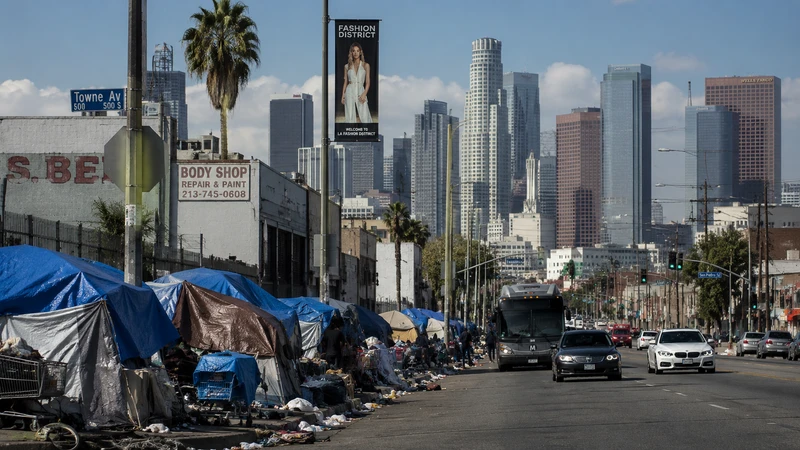
The growing interest in Pratt reflects a larger problem for Bass. Despite years of promises and significant taxpayer spending, many Angelenos believe the city's biggest challenges remain unresolved. Homeless encampments continue to dominate parts of the city, businesses face ongoing security concerns, and residents continue to struggle with some of the highest living costs in the nation.
Critics argue that Bass represents the same progressive leadership model that has governed Los Angeles for years while conditions steadily deteriorated. They contend that city officials have become disconnected from the daily realities facing working families, small business owners, and law-abiding residents.
Pratt's campaign may not fit the traditional political mold, but his message is resonating with voters who feel ignored by California's political establishment. His rise underscores a growing desire for accountability and a willingness among voters to challenge leaders they believe have failed to produce meaningful results.
As the race tightens, the real story may not be Spencer Pratt himself. The bigger story is the growing number of Los Angeles voters who appear ready to reject politics as usual and send a message to the officials who have been running the city for years.
What once looked like a routine reelection campaign is increasingly becoming a warning sign for the political establishment. And if voter frustration continues to grow, Karen Bass may discover that dismissing outsiders is far easier than defeating them.
- Article Source:
news.basedapparel.com

- Photo:
