
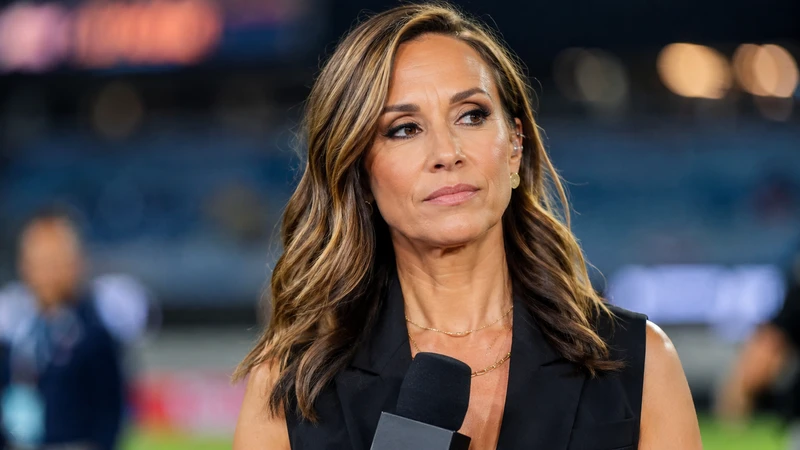
For years, sports reporters have demanded transparency and accountability from coaches, owners, and athletes. Those same standards should apply to members of the media.
A recent report by The New York Times has placed veteran NFL reporter Dianna Russini under an uncomfortable spotlight. Among its most eye-catching claims is an account that Russini allegedly attempted to avoid a traffic ticket by FaceTiming the head coach of the police officer's favorite NFL team. According to the report, the interaction resulted in the officer letting her go with a warning. Russini has previously recounted a similar story during a podcast appearance.
Whether every detail is exactly as reported or not, the incident raises serious questions.
Ordinary Americans don't have an NFL head coach on speed dial. They don't get to leverage celebrity relationships when they're pulled over. Most people are expected to accept responsibility for their actions—not call in famous friends.
If a journalist is willing to blur those lines in her personal life, it's fair for the public to ask where else professional boundaries may have been crossed.
The New York Times report also revisits longstanding questions about Russini's relationships with league sources, including claims from unnamed individuals who described certain interactions as unusually close. Those allegations remain disputed and should not be treated as established fact. Still, they contribute to a broader conversation about ethics, objectivity, and whether access journalism can become too cozy with the powerful people reporters are supposed to cover.
Public trust is difficult to earn and remarkably easy to lose.
Sports fans expect reporters to break news because they're skilled journalists—not because they cultivate relationships that create even the appearance of favoritism or personal advantage.
No one should be above the rules. Fame shouldn't erase accountability. Connections shouldn't replace consequences.
If the reporting is accurate, Russini owes readers and viewers a clear explanation. More importantly, media organizations should reaffirm that ethical standards apply just as much to journalists as they do to the public figures they cover.
Credibility is a reporter's most valuable asset. Once people begin questioning whether that credibility has been compromised, rebuilding trust becomes an uphill battle.
- Article Source:
FOX News

- Photo:
