
In 2021, the Minnesota Department of Human Services named Salman Ahmed Elmi an Outstanding Refugee and handed him an Entrepreneurship Award. There was a certificate. There was a plaque. There was, presumably, a small ceremony where someone in a lanyard said the words "the American dream" without irony.
This week the Minnesota Attorney General charged him with eight counts related to a scheme that allegedly billed Medicaid for more than a million dollars in services that were never provided.
Same state. Same government. In fact, the same department. The agency that gave out the award is the agency that writes the Medicaid checks. Minnesota did not merely fail to catch this. Minnesota gave it a trophy first.
You have to admire the workflow. Most states run the background check before the ceremony. Minnesota appears to have run the ceremony, then the payments, then eventually the investigation, in that order, over five years, at a leisurely pace.
To be precise about the charges, because precision is the only thing standing between commentary and a lawsuit: Elmi faces three counts of aiding and abetting theft by swindle and five counts of aiding and abetting false representation. Prosecutors also allege that two other people connected to the scheme were tied to a sex trafficking operation involving brothels. Elmi is not charged with trafficking. He is charged with the money. He has not been convicted of anything, and everyone gets a trial, including people the state previously gave plaques to.
DHS, for its part, issued the statement you would expect. The Outstanding Refugee Awards ended in 2024. The recipients got certificates, not cash. The alleged conduct does not reflect the goals of the program or Minnesota's refugee community.
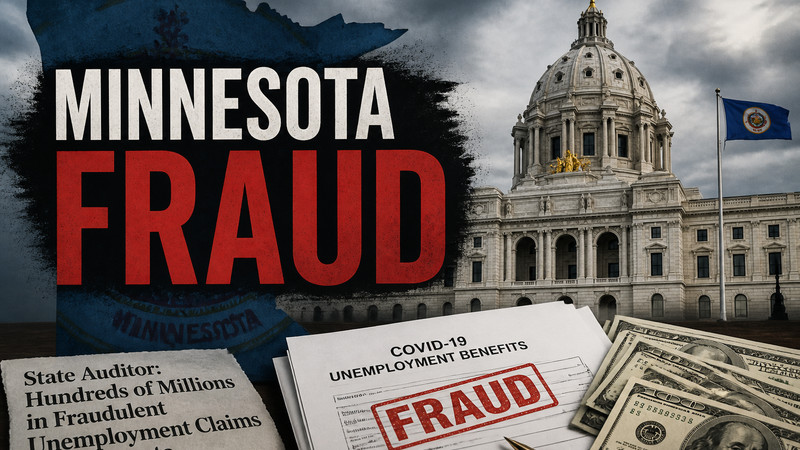
All of which is fine, and all of which sidesteps the actual question. Nobody is upset about the plaque. The plaque cost eleven dollars. The problem is the other pipeline running out of the same building, the one denominated in Medicaid reimbursements, which prosecutors investigating the broader Minnesota fraud scandal have suggested could total more than nine billion dollars across the state's programs.
Nine billion. With a B. That is not a rounding error or a few bad actors slipping past a tired auditor. That is a state government that built an approval process with no meaningful friction in it and then spent several years congratulating itself on how welcoming the process was.
And here is the part that should stay in everyone's mind after the jokes wear off. Reporting has consistently found that this was an open secret for years, and that people inside Minnesota government hesitated to say anything because they were afraid of what they would be called if they did. Not afraid of being wrong. Afraid of being called a name.
That is the whole scandal in one sentence. The fraud did not survive because it was sophisticated. It survived because auditing it felt socially expensive, and nobody wanted to be the person who asked. Governor Tim Walz eventually dropped his reelection bid over the fallout, which tells you roughly how well the strategy of not asking worked out.
There is a lesson available here for any state that wants it, and it costs nothing. Verify the invoices. Verify all of them, from everybody, with the same tedious indifference to who submitted them. A government that will not audit a claim because of who filed it is not being compassionate. It is being negligent, and eventually somebody notices, usually a prosecutor.
Minnesota had five years and a plaque budget. It could have used a spreadsheet.
- Article Source:
FOX News

- Photo:
