
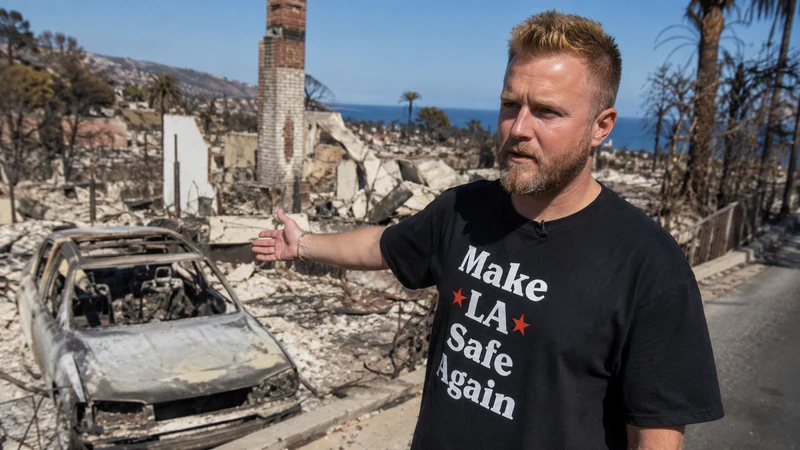
Spencer Pratt may have first entered the public eye through reality television, but today he’s positioning himself as a political outsider determined to shake up Los Angeles politics. The Republican mayoral candidate says his political evolution didn’t happen overnight—it came after years of witnessing intimidation, pressure, and what he describes as a culture of fear surrounding dissent in California.
Pratt has openly criticized Los Angeles leadership following the devastating wildfires that destroyed his home and thousands of others across the Pacific Palisades. Since then, he’s turned his frustration into a campaign focused on restoring public safety, accountability, and basic city services.
His message is resonating with many frustrated residents who feel abandoned by Democrat leadership. Viral campaign ads circulating online paint Los Angeles as a city overwhelmed by crime, homelessness, drug abuse, and bureaucratic failure. Pratt argues everyday Californians are paying the price while political elites continue protecting their own interests.
The mayoral candidate has repeatedly targeted what he calls the “Homeless Industrial Complex,” arguing billions in taxpayer dollars have been wasted without meaningful results. Instead, he’s calling for stricter accountability, treatment-focused solutions for addiction and mental illness, stronger law enforcement support, and audits of city agencies and contracts.
Pratt’s campaign also leans heavily into themes familiar to many conservative voters nationwide: restoring law and order, cutting government waste, defending working families, and challenging entrenched political insiders. He has promised to reject “defund the police” politics and prioritize safer neighborhoods and cleaner streets.
Despite criticism from establishment media outlets and political opponents, Pratt’s outsider approach has generated significant online momentum. His debate performances and social media videos have attracted millions of views, with supporters praising his willingness to openly confront issues many politicians avoid discussing.
Pratt argues Los Angeles has become a symbol of failed progressive governance, pointing to rampant homelessness, declining public safety, and skyrocketing living costs. His campaign slogan and messaging focus on bringing back what he calls a “camera-ready Los Angeles” where families, businesses, and neighborhoods can thrive again.
While critics dismiss him as a celebrity candidate, Pratt has responded by pointing directly to the current condition of the city. In debates and interviews, he’s argued that career politicians and experienced bureaucrats have already had their chance—and failed.
As the race develops, Pratt’s candidacy reflects a broader national trend: voters increasingly looking outside traditional political circles for leaders willing to challenge the status quo and confront issues head-on.
- Article Source:
The Post Millennial

- Photo:
