
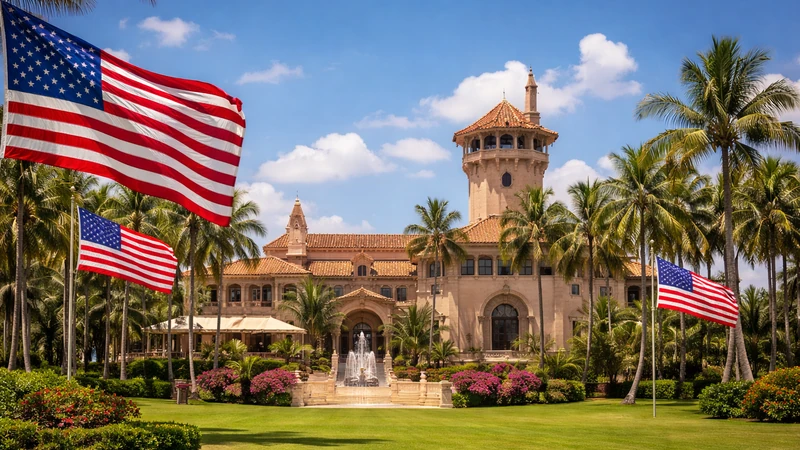
Actress Katherine Heigl is standing her ground after online critics erupted over her attendance at a dog rescue fundraising event held at former President Donald Trump’s Mar-a-Lago estate.
For some on the left, simply setting foot at the Florida property was apparently enough to spark outrage. Social media critics rushed to condemn the actress, suggesting that her participation in the charity event somehow amounted to a political endorsement.
Heigl, however, wasn’t having it.
The actress made clear that the event was about one thing: helping rescue dogs. Her involvement was tied to animal welfare and fundraising efforts—not partisan politics. But in today’s hyper-political climate, even charity work can become a target if it happens anywhere near a figure the left dislikes.
Rather than quietly backing down, Heigl responded by pointing out the obvious contradiction in the backlash. The same voices that often preach inclusivity and tolerance were suddenly demanding ideological purity simply because of where the event was held.
It’s a familiar pattern in Hollywood.
For years, the entertainment industry has promoted itself as a bastion of openness and acceptance. Yet time and again, celebrities who deviate from the dominant political narrative—or even appear adjacent to it—find themselves facing intense pressure and public shaming.
Heigl’s critics appeared less interested in the mission of the event than in scoring political points. The dog rescue fundraiser was designed to support animal welfare efforts, something most Americans would normally consider a positive cause regardless of venue.
But for some activists online, the location alone was enough to overshadow the purpose.
Heigl’s response reflects a broader frustration shared by many Americans who are increasingly tired of the constant politicization of everyday life. Attending a charity event should not require passing an ideological purity test.
Yet in the current cultural climate, even compassion for rescued animals can become controversial if it crosses the wrong political lines.
By refusing to apologize, Heigl sent a clear message: supporting a charitable cause shouldn’t require bowing to mob outrage or Hollywood’s ever-shifting political rules.
And for many watching the controversy unfold, that simple stance may be the most refreshing part of the story.
- Article Source:
FOX News

- Photo:
